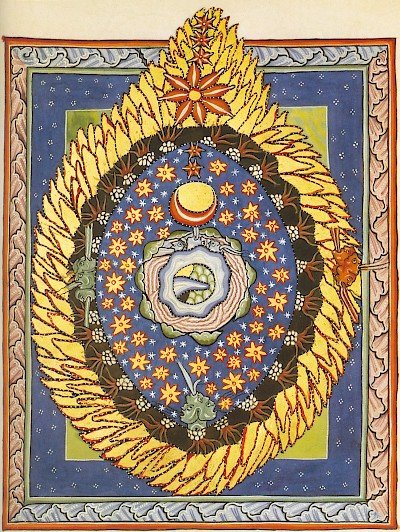
Orgasm Described by Hildegard of Bingen
Hildegard of Bingen was an author, preacher, and mystic. She is considered to be the first woman to describe female orgasm in writing. During the Middle Ages, the orgasm was believed to be a prerequisite for a woman to become pregnant.
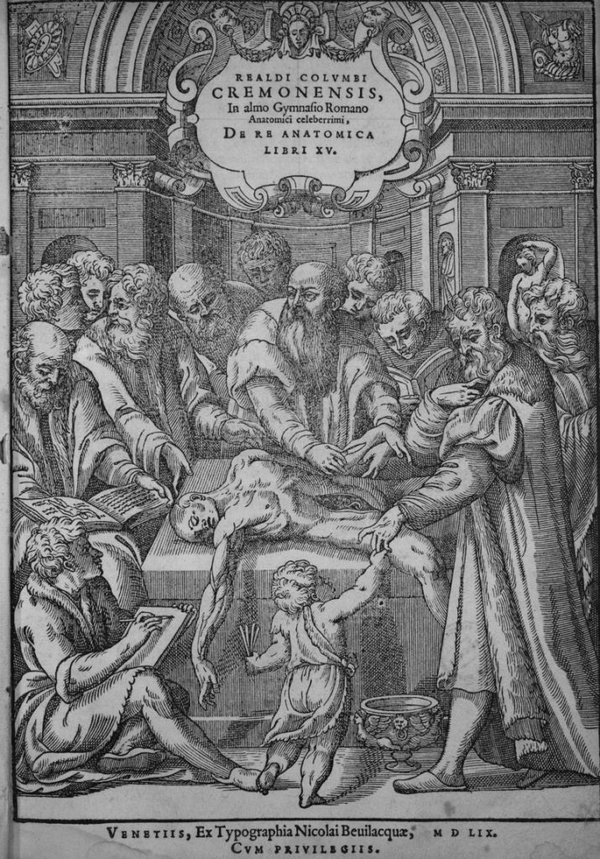
The clitoris is described and linked to pleasure
Realdo Colombo (1516-1559), an Italian physician, claimed to be the first to "discover" the clitoris and its function. In his writing "De re anatomica libri 15," he describes the clitoris and links the organ to pleasure, drawing comparisons to the function of a penis.
At the same time, Andreas Vesalius (1514-1564), who is considered the founder of modern anatomy and was Realdo Colombo's teacher, believed that the clitoris was a useless organ that did not exist physiologically in healthy women.
Before Realdo Colombo's writing, the French physician Charles Estienne (1504–1564) had also described the clitoris in his text "De Dissectione Partium Corporis Humani" in 1545. He named the clitoris "membre honteux," which translates roughly to "shameful member," and believed that its function was related to urination.
Betty Dodson
Betty Dodson was an artist and later a pioneering sex educator. She held workshops, coached others, and wrote books to help women achieve orgasms. She introduced the ”Betty Dodson Method”, a technique for reaching orgasm on your own by using a vibrator, and also for making penetrative sex more enjoyable.
Fear of Flying
Erica Jong
Fear of Flying was a pioneering and controversial book due to its openness to female sexuality and descriptions of lust and desires. The book is often linked to the sexual revolution of the 1970s and the second wave of feminism. The protagonist Isadora Wing has an affair with another man and fantasizes about sex without feeling, what she describes as ”the zipless fuck”.
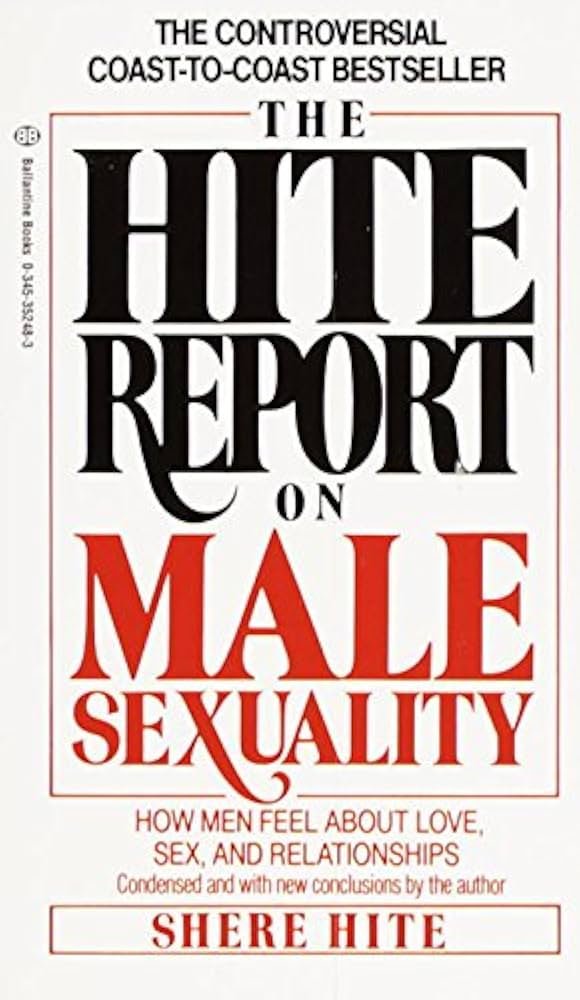
The Hite Report
Shere Hite
The Hite Report: A Nationwide Study of Female Sexuality has been described as a sexual revolution. Shere Hite asked women about sex: what they like, how it feels to not have an orgasm during sex, the importance of clitoral stimulation and masturbation, and so much more. And most importantly, the Report concludes that given the right stimulation, it is easy for a woman to orgasm!
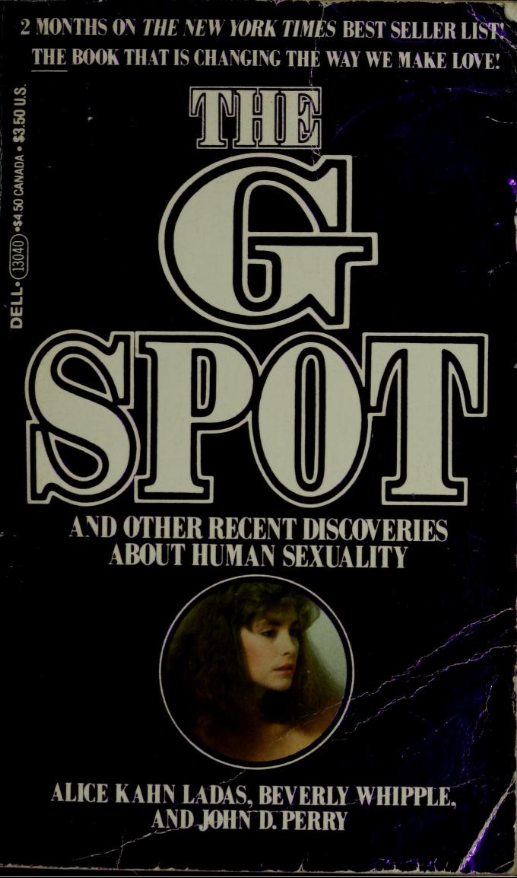
The G Spot and Other Discoveries about Human Sexuality
Beverly Whipple, John D. Perry, Alice Kahn Ladas
This book brought the G Spot on the agenda. The researchers identified an erectile tissue that can be felt through the front wall of the vaginaIt and named it the G Spot, after the physician Ernst Gräfenberg who had earlier described this area.
This book also talks about female ejaculation and women’s varying experiences of it.
Eve’s Secrets: A New Theory of Female Sexuality
Josephine Lowndes Sevely
After 7 years of research, Sevely writes the book Eve’s Secrets where she concludes that men have a clitoris within their penis and that women also have prostate glands. She protests against the duality of the vagina and clitoris. Sevely argues that the clitoris, the vagina, and the urethra should be considered a sexual whole.
The Vagina Monologues
Eve Ensler
Eve Ensler wrote her first version of The Vagina Monologues in 1996 to celebrate the vagina. The text is based on interviews she conducted with other women and touches on the themes of sex, relationships, and violence against women. Eve Ensler presented it as a play, and the text was later published as a book.
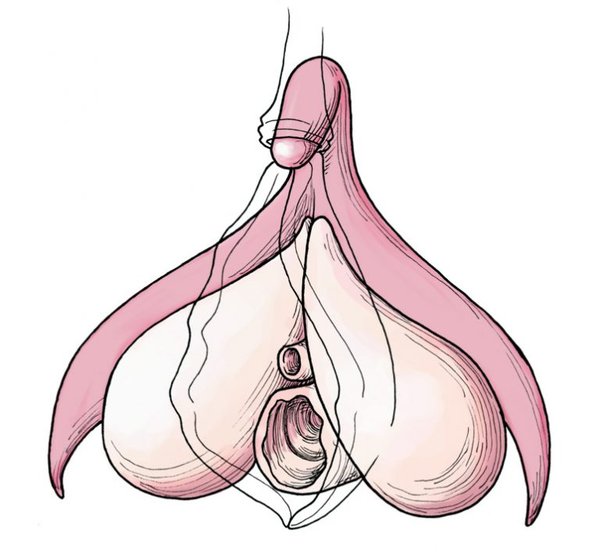
The anatomy of the clitoris
Helen O’Connell, an Australian urologist, describes the anatomy of the clitoris and the insight about the organ’s extent has a huge impact.
Come as you are
Emily Nagoski
Emily Nagoski’s book ”Come as You Are: The Surprising New Science That Will Transform Your Sex Life” was first published in 2015. Emily Nagoski explains the nuances of sexuality and sexual desire. She has helped many understand their sexuality by explaining the ”gas” and ”brake” of sexual arousal and response. Dr. Nagoski bases it on the original theory ”The Dual Control Model of Sexual Response” coined by researchers Dr. John Bancroft and Dr. Eric Janssen.
You can purchase the book in English here, or from Amazon here. Or do as me and read it as an e-book. Emily Nagoski has also launched a workbook based on the book (you find it on amazon as well)!